
You see the little red book icon on more and more phones these days. Maybe you've heard it mentioned in meetings, or a colleague swears by it for their skincare research. But if you're in marketing, the name "Xiao Hong Shu" might still feel a bit like a mystery box. Is it just a Chinese Instagram? Another social media platform to add to the ever-growing list?
Having worked with brands navigating this space for years, I can tell you it's something entirely different. Understanding this difference isn't just academic—it's the key to unlocking a community of incredibly engaged consumers who are ready to decide. Let's talk about what makes Xiao Hong Shu marketing tick, and why its unique rhythm demands a fresh approach, especially when you start considering xiao hong shu advertising.
First, let's clear up the name. "Xiao Hong Shu" (小红书) is simply the Chinese name for the platform often called "Little Red Book" in English. Using the pinyin name isn't just a nod to authenticity; it reflects an understanding that you're engaging with a distinct digital culture.
The Mindset Shift: From Social Media to "Search & Decide"
Think about your own behavior on most platforms. You scroll, you like, maybe you share a funny video. It's largely passive entertainment or social connection. Xiao Hong Shu flips this model. Users open the app with intent. They're searching for solutions: "What serums work for hormonal acne?", "What should I pack for a July trip to Tokyo?", "Is this new bakery in my neighborhood worth the queue?"
The platform functions less like a social feed and more like a visual, experiential search engine fueled by real people. This is the core of effective Xiao Hong Shu marketing. Your content isn't competing for fleeting attention in a scroll; it's answering a specific question in someone's moment of need. This changes everything.
The Content Currency: Depth Over Fluff
Because users are in a research mindset, superficial content fails. A beautiful, highly-filtered photo of your product with a catchy slogan won't cut it. The currency here is authentic, detailed, and useful experience.
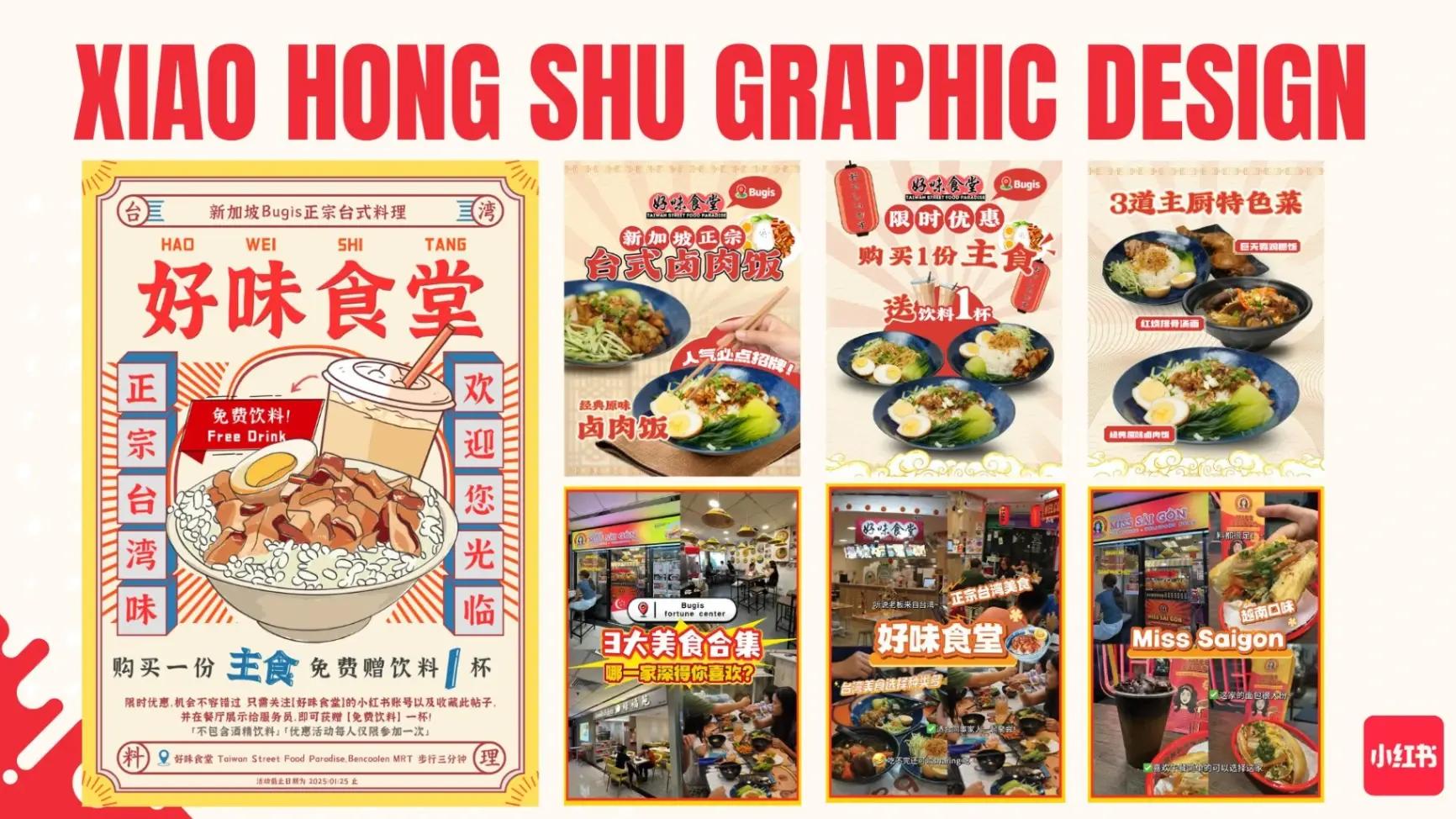
Let me give you an example. A fashion brand might post a stunning model wearing a dress on Instagram. On Xiao Hong Shu, the winning post would be from a real customer titled, "168cm, Pear-Shaped Review: Wore This Dress to a Wedding." The note would include multiple photos in different lighting, comments on the fabric's breathability in heat, how it fit through the shoulders and hips, and maybe even a tip on alterations. It feels like advice from a knowledgeable friend.
This is what the community craves. For brands, this means your owned content and your influencer partnerships must prioritize genuine value and transparency. A simple "unboxing" video is less powerful than a "30-day results" timeline.
Where Advertising Fits In: The Art of the Native Boost
This brings us to the critical question of xiao hong shu advertising. Given the culture of trust, how do you promote without polluting the ecosystem?
The platform's ad system is designed to be native and additive. The most common format is the promoted note, which looks identical to a user's post—it just gets boosted into targeted feeds. The critical insight is this: You should only advertise content that already works organically.
The process looks like this:
Create & Learn: Develop a batch of truly helpful, non-salesy content (e.g., "A Dermatologist's Guide to Layering Vitamin C").
Identify Winners: See which notes naturally gain traction, saves, and sincere comments.
Amplify with Precision: Use xiao hong shu advertising tools to give that proven, high-value content a targeted boost. You're not forcing an ad; you're helping a useful answer find more people who are asking the question.
The targeting capabilities are robust, allowing you to reach users by location, interest, search behavior, and even the other notes they've engaged with. But the smartest budget is spent on content that already resonates.
Building a Sustainable Strategy: Patience and Partnership
A successful Xiao Hong Shu marketing strategy is a marathon, not a sprint. It's about building long-term credibility within a niche.
Forget the Hard Sell: Lead with education, inspiration, or problem-solving. A furniture brand should post about "Small Space Hacks for HDB Living Rooms" featuring their products in context, not just a catalog shot.
Embrace Micro-Influencers (KOCs): Key Opinion Consumers—users with 5K-50K highly engaged followers in a specific niche—are your strongest allies. Their recommendations are trusted gospel. A partnership should feel like a genuine discovery, not a paid script.
Engage, Don't Broadcast: Monitor comments and relevant notes. Answer questions, thank users for trying your product, and participate in conversations. This human touch builds immense goodwill.
Master Search Optimization: Users find content via search. Use relevant keywords in your titles and captions, and leverage trending hashtags (#护肤, #旅游攻略) to increase discoverability.
At Advergreen, we guide brands through this cultural and strategic shift. The goal isn't to shout the loudest, but to become the most trusted voice in the room. It’s a powerful shift that yields loyal customers, not just one-time clicks.
Your Xiao Hong Shu Questions, Answered
Q: Do I need to be fluent in Chinese to market on Xiao Hong Shu?
A: While the platform's primary language is Mandarin, simply translating your English content won't be effective. You need creators and strategists who understand the cultural nuances, current slang, and communication style of the community. It's less about literal fluency and more about cultural fluency. Partnering with experts on the ground is often essential.
Q: What kind of brands see the most success?
A: Lifestyle categories dominate: beauty, skincare, fashion, travel, food & beverage, parenting, and home decor. However, any brand that can tap into a "research and decide" consumer journey can thrive—this includes premium electronics, educational services, and even B2B offerings targeting young professionals.
Q: How do you measure success if direct sales links are less common?
A: Move beyond last-click attribution. Key metrics include:
Saves: The ultimate vote of confidence, indicating users want to return to your content.
Engagement Rate: High-quality comments and shares.
Search Volume: An increase in searches for your brand name on the platform.
Website Traffic: Uplift in referral traffic from Xiaohongshu.
Brand Sentiment: The tone of conversations around your products.
Q: Is the platform only relevant for targeting consumers in Mainland China?
A: Not at all. Its influence is significant across Southeast Asia, particularly in Singapore, Malaysia, and within Chinese diaspora communities worldwide. The "search for authentic recommendations" behavior is universal, making it a powerful tool for regional strategies.
Q: We're a small brand with a limited budget. Can we start small?
A: Absolutely. In fact, starting small with a focused, value-driven approach is ideal. Begin by creating 1-2 truly excellent, helpful notes per week. Engage authentically with 5-10 relevant micro-influencers or KOCs. Test a small advertising budget to amplify your best-performing note. Consistency and authenticity will beat a large, unrefined budget every time.
The essence of Xiao Hong Shu marketing is a return to fundamental human interaction: sharing honest experiences to help others make better choices. When brands embrace that ethos—prioritizing value, transparency, and community over interruption—they don't just advertise. They build a reputation.


Write a comment ...