
Let's talk about influence. Not the shouty, in-your-face kind, but the quiet, convincing sort that happens when a friend leans over and says, “You have to try this.” In the world of Chinese social media, that's the unique space Xiaohongshu (literally "Little Red Book") owns. It’s not just another platform for brands to shout from; it’s a community built on discovery, reviews, and genuine recommendations. For businesses, especially those targeting the savvy, style-conscious consumer in China and across Southeast Asia, that makes xiaohongshu advertising a uniquely powerful tool—but only if you understand the neighborhood you're walking into.
Think of it as a hybrid of Pinterest's visual appeal and Instagram's influencer culture, all powered by the earnestness of detailed user reviews. People don’t come here to passively scroll ads. They come to research their next purchase, find travel inspiration, and seek authentic advice. So, when a brand gets it right, xiaohongshu ads don't feel like an interruption. They feel like the answer to a question someone was already asking.
Welcome to the "Grass Planting" Platform
First, let’s decode the local lingo. On Xiaohongshu, a positive review or recommendation is called "grass planting" (zhòng cǎo). When a user is convinced to buy something, that's "having the grass planted." Your entire xiaohongshu advertising strategy should aim to plant the most enticing, authentic patch of grass possible.
The platform is dominated by high-quality, beautifully curated images and long-form notes. It’s where users dissect the 10-step Korean skincare routine, compare the exact shades of lipstick from five different brands, or give a brutally honest review of that viral kitchen gadget. This culture of detail creates a highly engaged, high-intent audience. They’re in research mode, which is a golden moment for a brand to appear.
So, What Does Advertising Actually Look Like Here?
This is where it gets interesting. Blunt, sales-heavy banners will fail miserably. Success lies in native integration. Xiaohongshu offers several ad formats designed to blend in and add value:
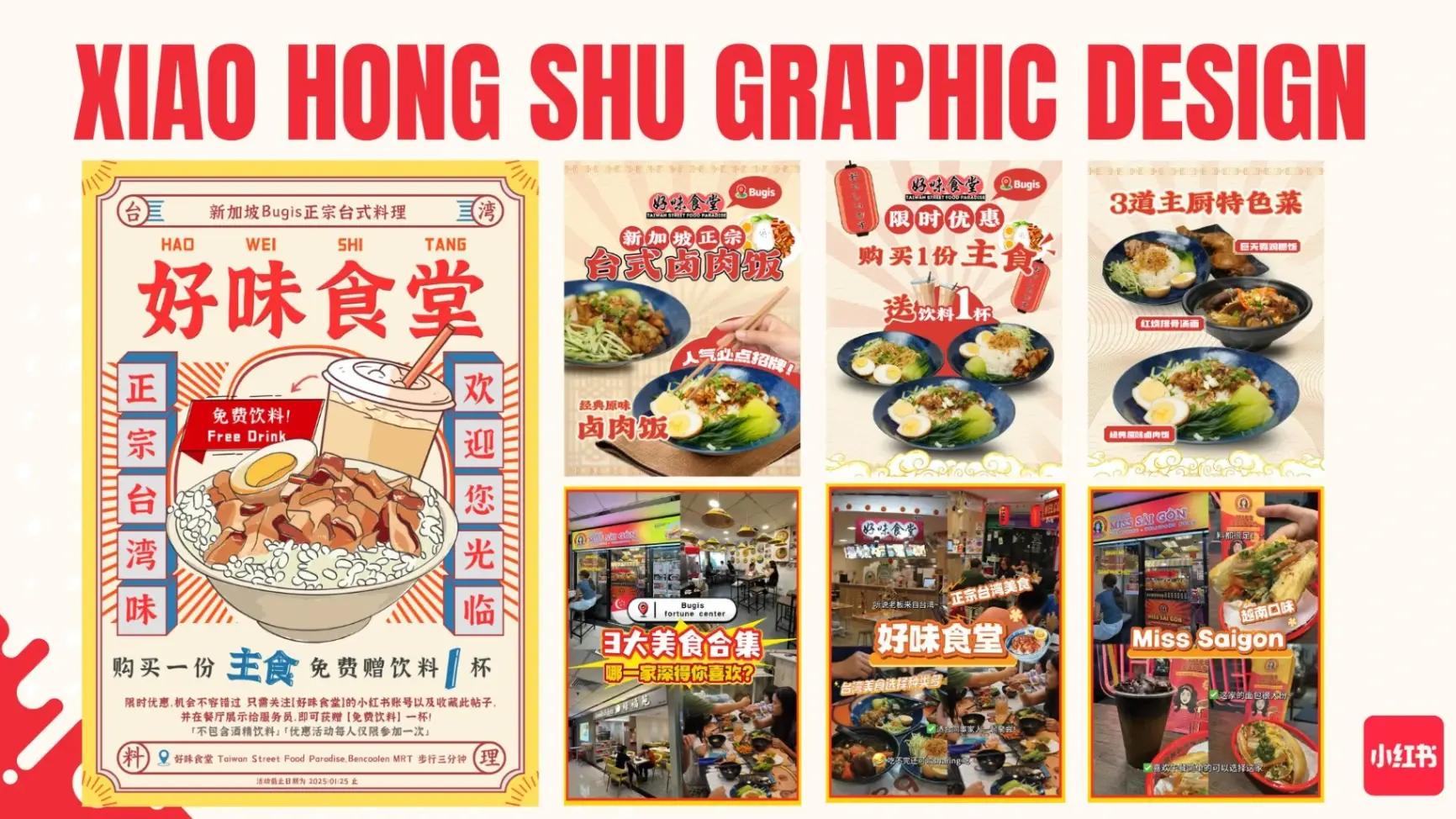
Info Flow Ads: These appear seamlessly in the user's main discovery feed. The key is that they look and feel almost identical to a popular user-generated post—stunning visuals, a compelling headline, and useful content. The only small tip-off is a discrete "Sponsored" label.
Search Ads: When a user is actively searching for "best whitening serum" or "weekend trips from Shanghai," your branded content can appear at the top of these search results. This is intent-based marketing at its purest.
KOL/KOC Collaborations: This is the heart of the strategy. Key Opinion Leaders (KOLs - big influencers) and, even more impactfully, Key Opinion Consumers (KOCs - everyday users with smaller, trusted followings) create authentic content featuring your product. Their honest testimonials are the ultimate "grass planting" tool. A campaign might involve seeding products to 50 micro-influencers for genuine reviews, rather than one mega-celebrity post.
The Golden Rules for Xiaohongshu Advertising Success
To avoid sticking out like a salesperson at a book club, follow these unwritten rules:
Value First, Brand Second: Your ad must teach, inspire, or solve a problem. A post titled "5 Ways This Serum Saved My Dry Skin" will outperform "Buy Our Serum Now!" every single time. Share tips, tutorials, and behind-the-scenes insights.
Aesthetics Are Non-Negotiable: Grainy phone pics won't cut it. Invest in high-resolution, beautifully lit, and thoughtfully composed visuals. The platform is visually driven, and users have a refined eye.
Embrace Honesty & Nuance: Perfection is suspect. Users trust reviews that show real-life use, mention a minor drawback, or compare you fairly to a competitor. This balanced approach builds incredible credibility. Encourage creators to be genuinely truthful.
Spark Conversation, Not Just a "Like": Craft captions that ask questions. "Which shade should I try next?" or "How do you incorporate this into your routine?" Comments and saved posts are stronger engagement metrics than mere likes here.
Is Xiaohongshu Advertising Right for Your Brand?
It’s a powerful platform, but it’s not a universal fit. It works exceptionally well for:
Lifestyle & Beauty: This is the platform's home turf. Skincare, makeup, fashion, and wellness products thrive.
Travel & Hospitality: Hotels, airlines, and tourism boards can showcase stunning destinations and detailed travel guides.
F&B & Consumer Goods: From boutique coffee brands to innovative home appliances, any product with a visual or experiential story to tell can succeed.
Baby & Maternal Products: The platform has a huge community of young mothers seeking trusted advice on everything from strollers to baby formula.
If your product is highly technical, B2B, or lacks a strong visual or lifestyle angle, your efforts might be better placed elsewhere.
Your Xiaohongshu Questions, Answered
Q: How do we measure ROI? It feels less direct than an e-commerce link.
A: You're right, it's a considered journey. Track metrics beyond direct sales: massive increases in brand search volume, saves and shares of your posts (which indicate high intent), engagement rates on collaborations, and the sentiment of user-generated content about your brand. Use trackable links and promo codes from KOLs. Think of it as building a reputation that drives sales across all your channels.
Q: Can we run the campaign ourselves if we're based outside China?
A: Technically, you need a Chinese business license to open an official brand account and use the full ad platform. This is the biggest hurdle for international brands. Most work with a licensed local partner or agency (like Advergreen) who can manage the account on their behalf, ensuring compliance and cultural nuance.
Q: How do we find the right influencers?
A: Look beyond follower count. Dive deep into engagement rates, comment sentiment, and the creator's niche authenticity. A KOC with 10,000 engaged followers in your exact category is often more valuable than a celebrity with 5 million disengaged fans. Use platform tools or agency expertise to find voices that truly resonate with your target customer.
Q: What's the biggest mistake brands make?
A: Treating it like WeChat or Weibo. The hard-sell is dead on arrival. The biggest mistake is being transactional instead of relational. Users can smell an inauthentic ad from a mile away. Invest in understanding the community's language and rhythms first.
Navigatingxiaohongshu adsis about cultural translation as much as it is about marketing. It requires a shift from broadcasting to community building. At Advergreen, we see it as helping brands tell their story in a way that feels less like a presentation and more like a trusted friend’s recommendation. In the crowded digital landscape, that trust is the most valuable currency of all.


Write a comment ...